
 by
Diamonds have long been associated with engagement rings, anniversaries, and meaningful gifts. Today, buyers have another option beyond stones formed naturally beneath the Earth’s surface. Diamonds created in laboratories offer similar beauty, often at a considerably lower price.
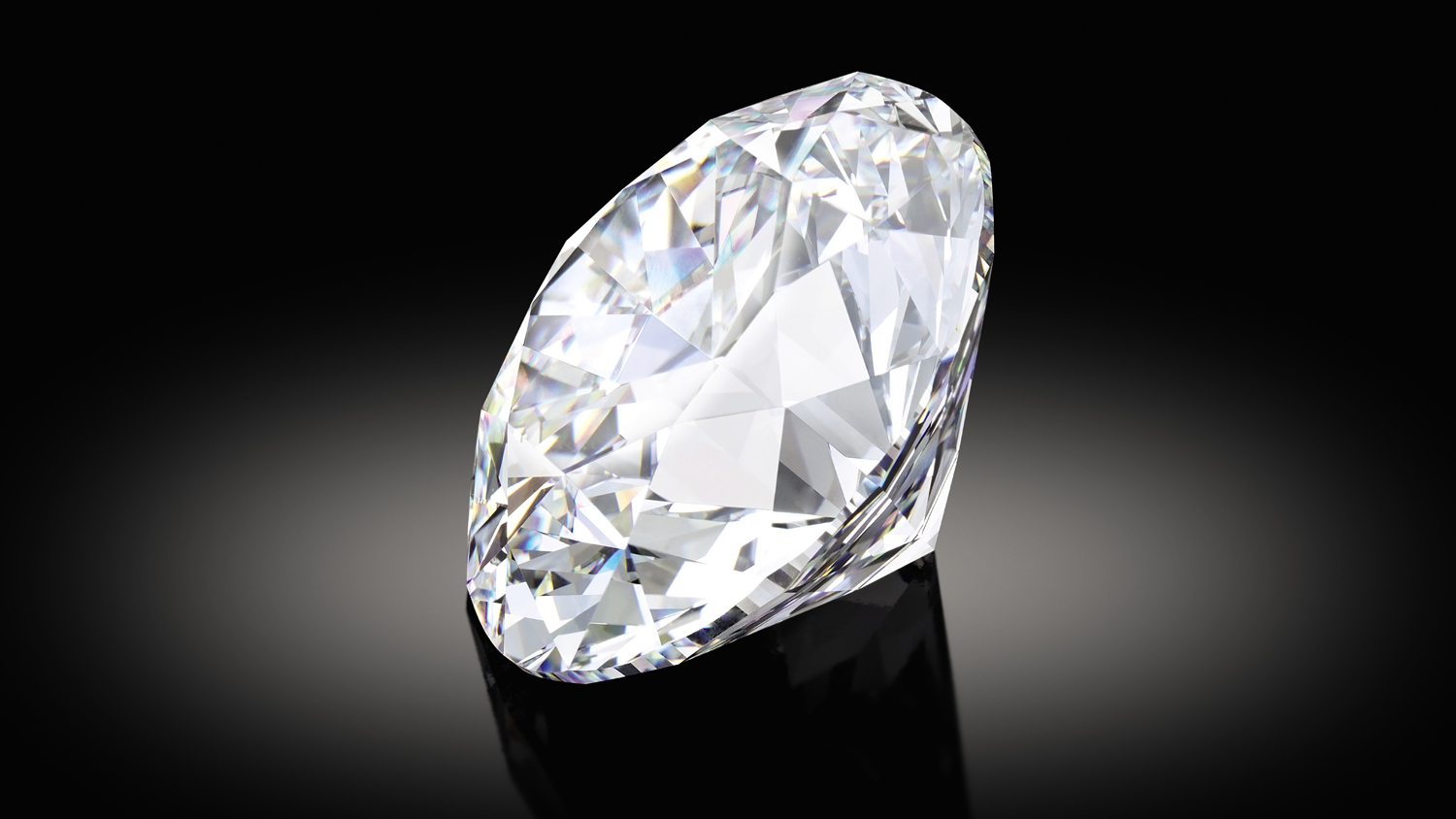
The debate around lab grown diamond vs real diamond usually begins with one question: Are laboratory-created stones actually diamonds? The answer is yes. Their differences involve origin, pricing, rarity, and long-term value rather than basic appearance.
Are Lab-Grown Diamonds Actually Real?
A laboratory-created diamond is a genuine diamond, not a simulated gemstone. It has the same carbon crystal structure as a natural diamond, along with essentially identical chemical, physical, and optical properties.
The Federal Trade Commission recognizes diamonds produced through manufacturing processes as diamonds, provided sellers clearly disclose their origin.
Natural diamonds develop deep underground under extreme heat and pressure. Their formation generally takes millions to billions of years.
Laboratory diamonds grow in controlled environments using advanced technology. Production typically takes several weeks, depending on the method and desired stone characteristics.
Both can display exceptional brilliance, fire, and sparkle. Without specialized equipment, even experienced jewelers may struggle to distinguish their origins.
The Science Behind Their Creation
Manufacturers primarily use two methods to produce laboratory diamonds.
High Pressure, High Temperature (HPHT)
HPHT technology recreates conditions similar to those found deep within the Earth. A small diamond seed sits inside specialized equipment exposed to intense pressure and temperatures often exceeding 2,000°F.
Carbon crystallizes around the seed, gradually forming a larger diamond. Manufacturers then cut and polish the resulting crystal.
Chemical Vapor Deposition (CVD)
CVD uses a different approach. A diamond seed is placed inside a chamber containing carbon-rich gases, often methane mixed with hydrogen.
Energy breaks down the gas molecules, allowing carbon atoms to accumulate on the seed. Over time, these atoms form a diamond crystal.
Both processes can produce high-quality stones suitable for fine jewelry.
Appearance, Sparkle, and Everyday Durability
The visual difference between laboratory and natural diamonds is usually impossible to recognize through casual observation.
Both score 10 on the Mohs hardness scale, making them highly resistant to scratching. However, hardness doesn’t make diamonds unbreakable. A strong impact can chip either type.
Cut quality influences sparkle more than origin. A well-cut laboratory stone may appear brighter than a poorly cut natural diamond.
Color and clarity also matter. Both varieties can contain inclusions or show subtle yellow or brown tones.
For everyday jewelry, lab grown diamonds offer the same fundamental durability as their mined counterparts.
Price Differences Can Be Significant
Price is often the deciding factor for buyers comparing lab grown diamond vs real diamond.
Laboratory-created stones generally cost substantially less than natural diamonds with comparable grading characteristics. The difference can be especially noticeable for larger stones.
For example, someone shopping with a $3,000 engagement ring budget might afford a larger laboratory diamond than a natural stone of similar color and clarity.
However, prices fluctuate with supply, retailer margins, certification, and market demand.
Natural diamonds typically command higher prices partly because of geological rarity and established consumer demand. Laboratory production can expand more readily, which contributes to lower prices.
Neither option should automatically be considered a financial investment.
Certification and Quality Grading
Diamond grading helps buyers evaluate stones beyond their appearance.
The traditional four Cs remain useful:
-
Cut: Determines how effectively the diamond reflects light.
-
Color: Measures the presence or absence of visible body color.
-
Clarity: Evaluates internal inclusions and surface blemishes.
-
Carat: Describes weight rather than physical dimensions.
Organizations such as the Gemological Institute of America (GIA) and International Gemological Institute (IGI) provide diamond assessment services.
Their reporting formats and grading practices can differ, particularly for laboratory-created stones. Buyers should review the actual report rather than assume every certificate uses identical standards.
A grading report also helps confirm whether a stone is natural or laboratory-grown.
Environmental and Ethical Considerations
Laboratory production avoids the need to extract diamonds through conventional mining. However, manufacturing still requires electricity, equipment, and industrial resources.
Its environmental impact depends heavily on the energy source and production efficiency.
Mining can involve land disturbance, water consumption, and ecosystem disruption. At the same time, responsible mining operations may support local employment and follow environmental standards.
Neither origin guarantees an environmentally responsible purchase.
Buyers concerned about sustainability should request specific information about energy use, sourcing, labor practices, and independently verified claims.
Resale Value and Long-Term Ownership
Resale expectations deserve attention before purchasing expensive jewelry.
Natural diamonds generally have a more established secondary market, although resale prices often fall below original retail prices.
Laboratory diamonds can experience greater depreciation because production technology continues improving and new supply remains available.
Retailers may offer trade-in or upgrade programs, but terms vary considerably.
Someone planning to keep an engagement ring permanently may prioritize appearance and affordability. A buyer concerned about future resale might place greater importance on market demand and documented value.
Choosing the Right Diamond for Your Budget
The best choice depends on personal priorities rather than a universal quality ranking.
A laboratory diamond makes sense for shoppers seeking greater carat weight, attractive clarity, or a larger-looking engagement ring without increasing their budget.
Natural diamonds appeal to buyers who value geological rarity, traditional sourcing, and the history associated with naturally formed gemstones.
Before purchasing, compare stones under similar lighting. Examine their grading information, return policies, warranties, and total setting costs.
The lab grown diamond vs real diamond decision becomes easier when buyers separate visible quality from rarity and resale expectations.
A Diamond Worth Choosing
A beautiful diamond should suit both the jewelry design and the buyer’s financial comfort.
For shoppers focused on appearance and affordability, lab grown diamonds provide a compelling alternative without sacrificing diamond hardness or brilliance.
Natural stones remain appealing for their geological origins and relative rarity.
Rather than paying for a particular label, choose a well-cut, properly documented stone from a reputable seller. That decision will matter every time the jewelry is worn.