
 by
by Understanding Lab Made Diamonds
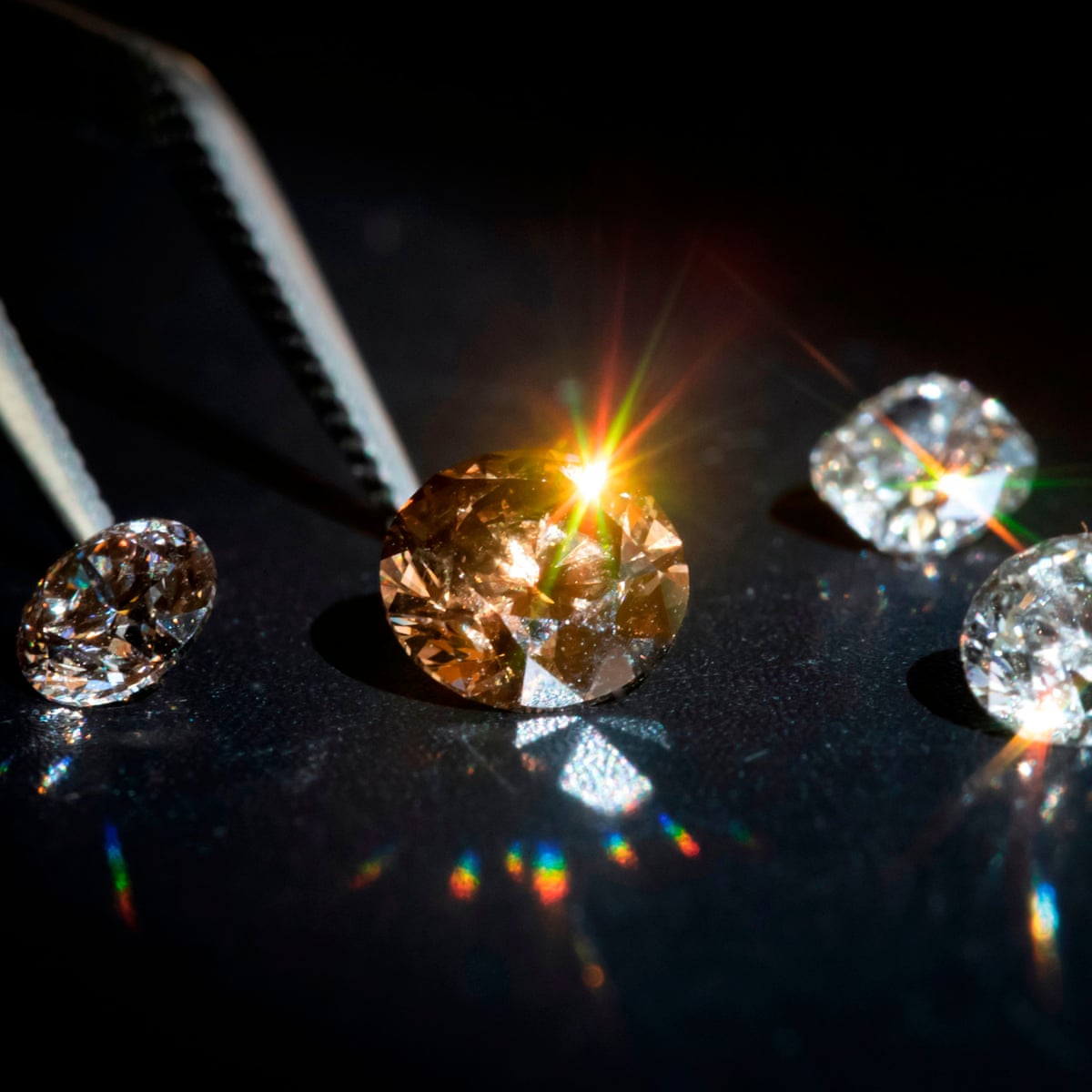
Lab made diamonds are diamonds created in controlled laboratory environments rather than formed naturally over millions of years. Chemically, physically, and visually, they are identical to natural diamonds. You can hold them, wear them, and admire them just like any traditional diamond.
For many buyers, the appeal lies in transparency, cost, and ethics. Lab made diamonds offer a clear price point, traceable origin, and an option free from the environmental and social concerns sometimes associated with mined diamonds.
How Lab Made Diamonds Are Created
There are two main methods for creating lab made diamonds.
- High Pressure High Temperature (HPHT) – This method replicates the natural diamond formation process by applying extreme pressure and temperature to carbon.
- Chemical Vapor Deposition (CVD) – Carbon gases are deposited onto a substrate, forming a diamond layer over time.
Both methods produce gem-quality diamonds suitable for jewellery, engagement rings, and industrial use. The choice of method can affect the size, color, and clarity, but the differences are subtle and usually invisible without professional equipment.
Example: A one-carat round diamond made using CVD can have the same brilliance as a mined diamond at a lower cost.
Advantages of Choosing Lab Made Diamonds
Lab made diamonds offer several practical benefits for buyers.
- Cost efficiency – You can often get a larger or higher-quality diamond for the same budget.
- Ethical sourcing – These diamonds avoid the social issues linked to mining, such as labor concerns.
- Environmental impact – Lab production requires less disruption of land compared to traditional mining.
- Traceable quality – Certificates from labs provide clear information on cut, color, clarity, and carat.
Example: Choosing a 1.5-carat lab made diamond could cost the same as a 1-carat mined diamond, giving you more presence without extra expense.
Quality Considerations
When evaluating a lab made diamond, the same four Cs apply: cut, color, clarity, and carat weight.
- Cut – How well the diamond reflects light. A precise cut enhances sparkle.
- Color – Lab diamonds are graded from D to Z, just like mined diamonds.
- Clarity – Inclusions can be present but are often minimal in lab diamonds.
- Carat – Size is measured the same way, though lab diamonds may feel larger per carat due to pricing options.
Ask for certification from reputable labs like GIA or IGI to confirm these qualities.
Buying Lab Made Diamonds for Bridal Jewellery
Lab made diamonds are increasingly popular in wedding rings, necklaces, and earrings. Here’s how to approach your purchase:
- Set your budget before browsing. Knowing what you can spend helps narrow options quickly.
- Decide on the bridal jewellery singapore. Solitaire rings, halo settings, or simple studs all work well with lab diamonds.
- Compare sizes and cuts. Visual appearance matters more than technical specs to the untrained eye.
- Request certification. This ensures you get the quality you expect and adds resale value.
Example: A 0.8-carat lab made diamond in a simple solitaire ring can appear identical to a 1-carat mined diamond at a lower cost.
Maintaining Your Lab Made Diamond
Caring for lab made diamonds is straightforward.
- Clean with warm water and mild soap regularly to maintain sparkle.
- Store separately to avoid scratches from other jewellery.
- Have prongs and settings checked periodically to prevent loosening.
Unlike other stones, lab diamonds are very hard and resistant to scratches, making them suitable for daily wear.
Cost and Value Comparison
Lab made diamonds generally cost 20 to 40 percent less than mined diamonds of the same size and quality. The exact difference depends on cut, color, and clarity.
While resale value may be lower initially, the upfront savings can allow you to invest in larger or higher-quality stones. For bridal jewellery, the visual impact and personal satisfaction often outweigh long-term resale considerations.
Example: A 2-carat lab made diamond might be priced the same as a 1.5-carat natural diamond, letting you choose a more striking ring for the same budget.
Trends and Future of Lab Made Diamonds
Consumer interest in lab made diamonds is growing, particularly among younger buyers. Key trends include:
- Customization – Couples increasingly choose unique cuts and settings.
- Eco-conscious buying – Awareness of sustainability is rising in jewellery choices.
- Integration with luxury brands – Many established jewellery designers now offer lab diamond collections.
This shift suggests that lab made diamonds will remain a practical and widely accepted option in bridal jewellery.
FAQ
Are lab made diamonds real diamonds?
Yes. Lab made diamonds have the same chemical structure, hardness, and appearance as natural diamonds.
Do lab diamonds hold value?
They are generally less expensive than mined diamonds, and resale value may be lower, but they provide larger or higher-quality stones for the same budget.
Can lab made diamonds be used in all types of jewellery?
Yes. They are suitable for rings, necklaces, earrings, and even intricate designs without risk of damage from daily wear.