
 by
by Things to Consider Before Buying
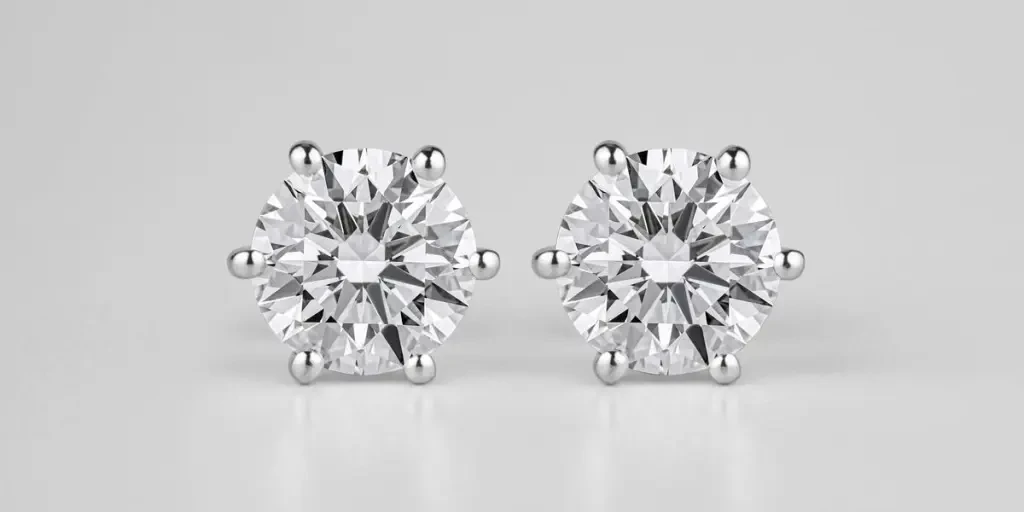
Fake diamonds once felt rare, yet today they’re everywhere. Engagement bands hold them. Earrings sparkle with them. Tennis chains drape wrists thanks to their presence. Custom designs lean on them more than ever. Planning a purchase? Get real details first. Understand how labs grow these gems. Compare them honestly to earth-mined versions. See exactly what your money covers. Structure shapes a diamond – origin doesn’t decide it. Diamonds are made of carbon set in a rigid grid. This pattern makes them tough and sparkly under light. What really sets them apart is where they come from. Deep underground, one kind slowly builds up across eons. The second type grows in labs, shaped by precise methods and modern tools. Here’s how it looks from your seat. What weighs heavier – where it comes from, or what you pay, knowing exactly who made it right, and being able to check each step yourself?
How They Are Made
Folks tend to make things one of two ways. What stands out is how each path splits off early.
High Pressure High Temperature
Under pressure and high heat, carbon begins to change. Inside chambers built to mimic Earth’s deep layers, atoms shift slowly. A tiny piece of diamond guides the structure as it expands. Time passes – days stack into weeks – before anything solid emerges.
Chemical Vapor Deposition
Inside a chamber, carbon-heavy gas gets heated till its atoms break free. Those loose atoms then stick to a tiny diamond starter. Growth happens slowly, one slice at a time. Although made differently, both kinds match natural diamonds right down to their core makeup. Cutting them or judging quality follows identical steps.
Quality and Grading
You still judge a diamond by the four core factors:
- Cut
- Color
- Clarity
- Carat weight
Light bounces right back at you when a diamond vs moissanites is cut just right. That flash? It fades if the shape lets brightness slip through the edges. Sparkle lives or dies by the precision of its angles. White tones matter too – how close to colorless it looks counts. Grades stretch across letters, starting at D and drifting toward Z. Most choices live somewhere along that line. Closer to D means nearly no color shows. What lies inside or on the surface shapes clarity. Tiny flaws usually hide unless zoomed in. Heavier carats weigh more, which often means bigger shape. Lab diamonds follow identical rules when checked against natural ones. Start here – trusted testing centers like GIA or IGI provide documents for each type. Before purchasing, make sure a grade sheet is shown to you. Take this case – one gem weighs 1 carat, shows D color, has VS1 purity, while another matches weight but displays H color and SI1 quality. Often, the cost gap feels steep. Still, without magnification, they might appear nearly identical. What matters most? Matching visible traits to how much leaves your wallet.
Price Differences
Cost usually makes people look at options besides natural diamonds. Usually, man made stones come with a lower price tag compared to earth mined ones that are alike in size and grade. Sometimes the difference is small, sometimes much larger – shifts in availability and demand play a role here. One key factor? Making them happens in facilities where output adjusts easily. As tools get better, more product enters the market. Getting gems from the ground needs big machines, permits, and years of work instead. All of this shapes how expensive they become. When money is limited, picking a bigger rock or one that sparkles more doesn’t mean going overboard. Take this: lock in your amount, maybe grab a 1.5 instead of settling for 1.0. Another path? Jump two steps whiter on the scale but stay at the same weight. What matters most guides the pick. Some care about spread across the finger. Others fixate on hue. A name tag means everything to some. For others, where it came from tells the real tale. One person’s must-have is another’s afterthought.
Durability and Daily Wear
Topping the Mohs scale at number ten, lab created diamonds handles everyday bumps without complaint. Even when knocked around – like on a ring finger – it holds up well. Lab-made stones? They match natural ones atom by atom, so hardness is identical. Day-to-day life won’t reveal any gap in toughness. The way it’s held in place – and how gently you move – says more than origin ever could.
- Remove your ring during heavy lifting
- Avoid harsh chemicals when cleaning
- Have prongs checked once a year
Decades pass, yet a carefully placed stone holds strong when looked after. Starting fresh each season, care keeps it firm through years of quiet wear.
Ethics and Environmental Impact
Now here’s a different way land gets changed – through digging deep underground. Water nearby sometimes shifts when machines start running. People who live close may notice new problems over time. Not every nation checks mining work the same way. In certain places, officials watch closely what happens each day. Elsewhere, hardly anyone is looking. Instead of pulling stones from earth, scientists now grow them using controlled settings. This method skips moving tons of soil altogether. Still, how much power gets used plays a role. The full effect ties back to where that energy comes from and how things are made. When doing right by people matters to you, speak up with specific asks. Location of the stone’s origin might be worth checking. Consider what fuels powered its creation. Outside verification could offer real insight. Honest replies count far more than sweeping statements.
Resale And Long Term Value
Most people expect too much when selling gems back. Real diamonds pulled from the ground can usually find a buyer. Still, what they sell for tends to fall short of the original price. Shops charge extra not just for stone but for how it looks, who made it, and their name. Lab grown stones don’t yet have that kind of secondhand network. Over time, that might shift. Now prices drop when factories make more. Since you invest, look into things closely. When it is for your own needs, think about what each day brings instead of later gains. Put a clear question to yourself. Wearing and enjoying – could that be why you buy? Or does holding worth feel like the real reason?
Choosing the Right Stone
Money talks first. Set a spending limit before browsing anything at all. What matters most comes second. Line up your needs by importance instead.
- Is size your top goal
- Is top-tier color what you’re after?
- Does where something comes from matter much to you
- What about your name getting noticed?
After getting clear on what matters most, check out gems that fit what you’re ready to spend. Grading papers give a starting point – study them closely. Seeing the gem under varied light helps spot things hard to predict. Request a side-by-side look with one just a step up or down in quality. Tiny differences often stand out only when seen together, not on paper. Start by picking a supplier who shows prices openly and shares full paperwork. When in doubt, skip listings light on facts. Each diamond ought to come with a traceable ID – check it. Say both gems match on paper yet one is cheaper – probe deeper. Maybe the way it was cut varies, or there’s glow under UV. Small things shift value.
Common Myths
A lab created diamond isn’t what some call fake. Real atoms line up just the same way inside it as they do in one pulled from earth. Yet folks often link cheap tags to weak traits – wrong move. What you pay ties more to how it’s made than what it’s made of. The core makeup stays identical, no matter the origin story. A lot of folks think real diamonds must come from deep in the earth. What matters isn’t where it formed but how it’s given – tied to promise, not pressure and time underground.
FAQ
Are lab grown diamonds real diamonds?
Fine. Their makeup matches natural diamonds exactly – same traits, same structure. Tests done by experts call them diamonds without hesitation.
Can a jeweler tell the difference?
From a glance, identical if cut and graded the same. Not possible with ordinary tools. Requires specific gear to trace where they come from.
Could these hold up just like natural diamonds over time?
Fine quality shines through when treated well. Same toughness, identical build. Lasts forever if looked after right.